

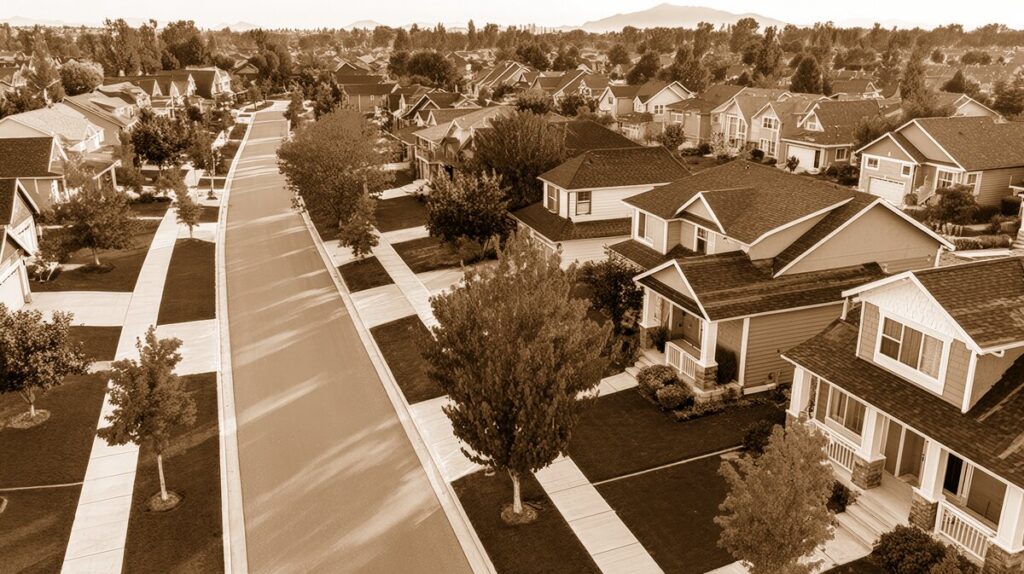
The Origin Story of Arbor Hills
Nestled on the gentle, rolling landscapes of Lincolnton, NC, Arbor Hills stands as a testament to thoughtful neighborhood planning, community spirit, and an appreciation for both history and progress. In the tapestry of Lincolnton’s neighborhoods, Arbor Hills shines brightly—a place where heritage is not just remembered but cherished. To understand Arbor Hills today, it helps to dig into its origins and the foundational values that have helped this community thrive.
The story of Arbor Hills begins in the late 1980s, when Lincolnton was experiencing an era of growth. Developers, inspired by the region’s natural beauty, sought to create a residential enclave that would balance the charm of country living with the conveniences of city life. The chosen site was a stretch of gently sloping hills bordered by mature hardwoods, some of which had stood for generations. It was from this thick canopy of trees—“arbor”—that the neighborhood drew its name, while the terrain's undulating topography gave rise to “hills.” Thus, Arbor Hills became a name as descriptive as it was evocative—a promise of leafy tranquility.
How Arbor Hills Got Its Name
Names are important, especially for a place as community-oriented as Arbor Hills. As oral tradition among early residents and developers goes, it was during a spring site tour—dogwoods in bloom and old oaks providing cool shade—when the inspiration struck. The abundance of well-established trees crowned the property with natural splendor, unlike many of the newly cleared tracts being developed elsewhere in Lincolnton. “Arbor” represents a sheltering archway of trees and a symbol of growth—a fitting tribute to both the flora and the families who would call the area home.
Key Milestones and Community Growth
Over the decades, Arbor Hills has marked several major milestones that have helped to shape its identity:
- Early 1990s: Initial construction on Arbor Drive and Hillcrest Lane brings the first wave of families.
- Mid-1990s: The neighborhood association is formed, fostering a strong sense of community involvement and advocacy for responsible development.
- 2000s: New amenities, including walking trails and playgrounds, are installed, reflecting Arbor Hills’ focus on outdoor living and family activities.
- 2010s–present: Renovations and landscaping refreshes keep the area vibrant, while residents maintain traditions like spring festivals and holiday light tours.
Throughout these changes, Arbor Hills has managed to retain its leafy appeal. Residents often remark that, no matter the season, the neighborhood’s namesake trees remain its signature feature—cooling summer afternoons, showcasing fall color, and lending shade to the sidewalks that wind through the development.
Notable Landmarks and Institutions
While Arbor Hills is primarily residential, it is uniquely situated near several landmarks that contribute to its community culture:
- Arbor Hills Park: Tucked off Maple Crest Drive, the neighborhood park is a favorite for families and joggers. Shaded picnic areas and a small playground serve as gathering spots for weekend activities and annual neighborhood celebrations.
- Historic Downtown Lincolnton: Just a quick drive down Country Club Road, Arbor Hills residents benefit from proximity to the town’s historic courthouse, the Lincoln Cultural Center, and the celebrated Main Street shops and restaurants.
- Nearby Schools: Residents are zoned for Lincolnton’s well-regarded schools, including S. Ray Lowder Elementary and Lincolnton Middle School, solidifying Arbor Hills' reputation as a family-friendly neighborhood.
Some homes in Arbor Hills are also notable for their architectural nods to the area’s past, with brick facades and classic Southern porches, blending modern comfort with traditional styles.
The Character and Evolution of Arbor Hills
Unlike some neighborhoods that change rapidly to chase passing trends, Arbor Hills has matured with a deep respect for its origins. The neighborhood association has always prioritized green space preservation and responsible growth, ensuring that new building fits the aesthetic and pace of the community. Residents frequently volunteer to help with park clean-ups, and many long-time homeowners can recall the planting of current shade trees as tiny saplings decades ago.
A walk down Arbor Drive or Hillcrest Lane today offers a visual timeline of the neighborhood’s development—original homes lovingly maintained, newer builds designed to complement the old, and community bulletin boards announcing everything from block parties to charity drives. While trends in landscaping and home design have evolved, the sense of neighborliness and pride in place has never wavered. Kids still ride bikes on summer evenings, and front porches are favorite spots for friendly chats.
A Community that Honors Its Heritage
More than just a collection of houses, Arbor Hills is a living chronicle of Lincolnton’s growth—rooted in tradition but always reaching forward. Its story is one of natural beauty, careful stewardship, and a community-minded approach that has only grown stronger with time. Neighbors here know that they share not just an address but a legacy—one defined by towering trees, rolling hills, and a shared appreciation for all the little moments that make Arbor Hills, quite simply, home.
Whether you’re a new arrival or a resident of many years, the history and heritage of Arbor Hills are always close at hand—woven into every street, echoing in every breeze through the leaves, and present in every friendly wave between neighbors. It’s a special place, not just within Lincolnton, but within the hearts of all who are lucky enough to call Arbor Hills home.